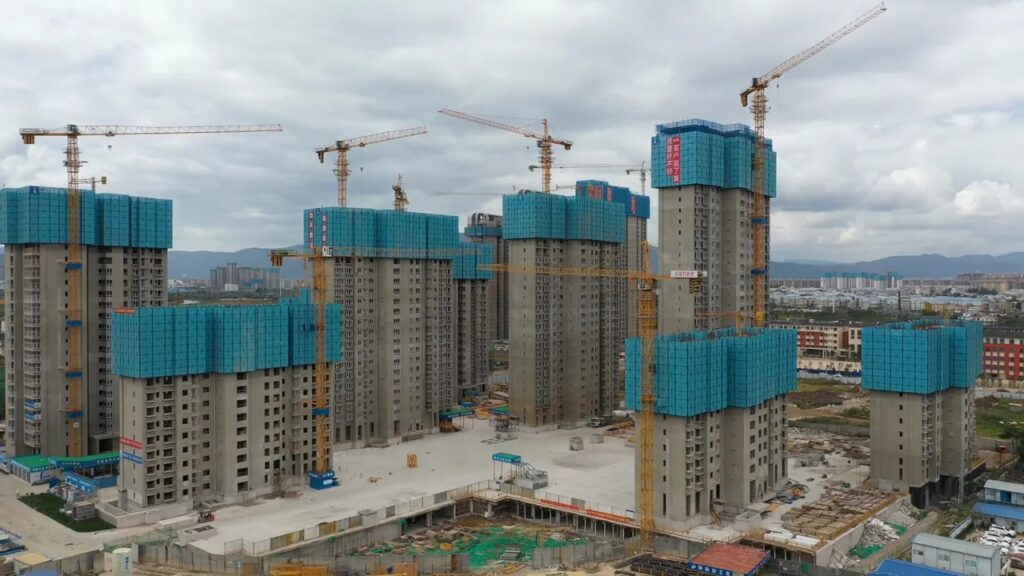
China's latest run of developments tells a familiar story, but in a more concentrated and more uneasy form. Strength is showing up in a few high-profile places, while weakness remains broad. That is true in housing, where demand is clustering in just a handful of top-tier cities. It is true in technology, where China is still behind the United States in AI overall but continues to narrow the gap in selected areas. And it is true in politics and public security, where official explanations often arrive faster than independent verification.
This round of China News Update centres on five major stories: the extreme unevenness of the property market, Alibaba's large US settlement over illegal sales on its platforms, fresh debate over whether US AI policy confusion is helping Chinese firms, the 30-year sentence handed to exiled businessman Guo Wengui, and the official account of the aircraft crash into a major Beijing skyscraper.
Table of Contents
- Housing recovery in China is becoming a four-city story
- Alibaba agrees to a $600 million US settlement
- US AI policy confusion could create room for Chinese firms
- Guo Wengui receives a 30-year prison sentence in the US
- Beijing's plane attack explanation raises as many questions as it answers
- What these developments suggest
- FAQ
Housing recovery in China is becoming a four-city story
The clearest sign of China's property distortion now is just how much activity has been pulled into Beijing, Shanghai, Guangzhou, and Shenzhen. These four cities account for less than 6 per cent of China's population, yet they generated 45.5 per cent of all housing sales among the country's top 20 developers in the first half of 2026.
That is a remarkable concentration. Only a few years ago, these cities produced roughly a quarter of sales. Now they are approaching half. This is not just a cyclical swing. It reflects a structural retreat from the old nationwide model of debt-fuelled expansion that defined the property boom.
Developers are no longer acting as though broad recovery is around the corner. Instead, many are concentrating capital in the places where demand is most resilient and where policy support has the best chance of working. State-backed firms such as China Resources Land and China Merchants Shekou have increasingly focused on premium projects in affluent metropolitan markets.
That strategy makes sense under current conditions. Lower mortgage rates and looser purchase restrictions have helped demand for larger and higher-end homes in the strongest cities. Buyers with deeper financial resources are still willing to move. In many smaller cities, that confidence simply is not there.
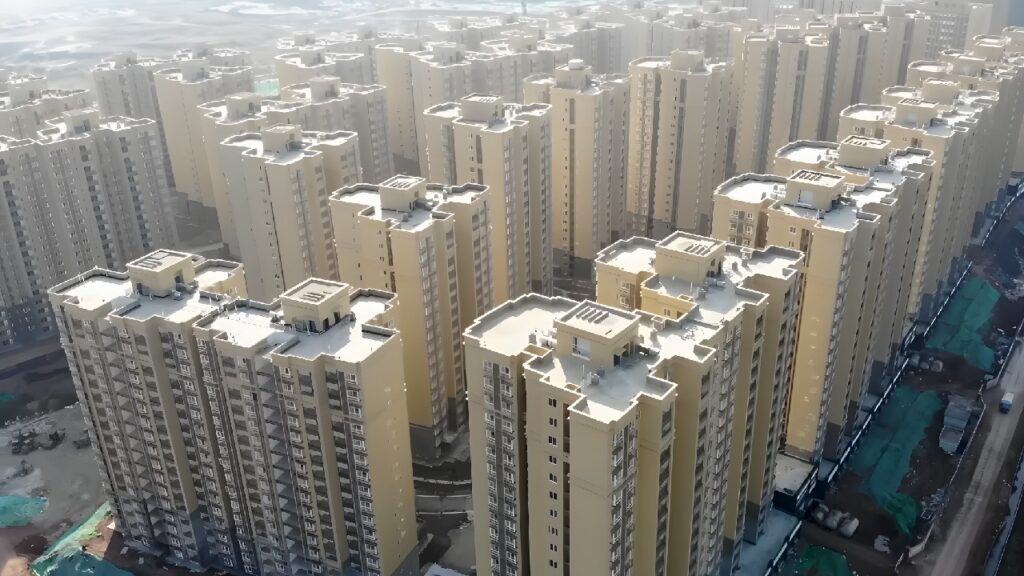
The broader numbers remain weak. Sales among the top 100 developers still fell year on year to about 1.59 trillion yuan in the first half. Land-use sales dropped 34 per cent as builders stayed cautious about expanding beyond the safest urban markets.
That matters because the property sector has never been just another industry in China. Real estate has long been tied to local government revenue, household wealth, construction activity, credit demand, and consumer confidence. If recovery is limited to four elite urban centres, that is not a normal recovery. It is stabilisation at the top while weakness remains embedded almost everywhere else.
This also complicates the official growth outlook. A narrow rebound in the tier-one cities may help sentiment on the margins, but it does little to solve the pressures in the smaller urban areas where most people actually live. For a broader look at how fragile the recovery story remains, the wider pattern lines up with this analysis of China's uneven recovery and mounting external pressures.
Alibaba agrees to a $600 million US settlement
The second major development comes from the United States, where Alibaba and its US-based payment processor, AUS Merchant Services, agreed to pay a combined $600 million to settle allegations from the Department of Justice.
The accusations were serious. US authorities said the companies failed to prevent the sale of illegal pharmaceuticals, controlled substances, precursor chemicals, and pill presses through Alibaba.com and AliExpress. Under the settlement, Alibaba agreed to pay a $125 million criminal penalty and forfeit $200 million. AUS agreed to an $85 million penalty and $190 million in forfeitures.
Both agents and both companies also accepted responsibility for the actions of officers, employees, and agents and agreed to strengthen compliance systems while cooperating with continuing investigations.
The Department of Justice said Alibaba failed to stop around 80,000 illegal transactions tied to imports into the United States between 2016 and 2024. Those transactions allegedly generated more than $200 million in gross merchandise value. Investigators also carried out more than 40 undercover purchases during the case.
One of the more striking elements here is not that Alibaba had rules on paper. It did. The issue, according to US authorities, was that the compliance systems behind those rules were inadequate. Some merchants allegedly used the platform's own messaging systems to arrange unlawful sales or to shift communication to encrypted third-party services.
This is why the case matters beyond the dollar figure. It is part of a broader push by Washington to hold online marketplaces accountable for cross-border illicit trade, especially where fentanyl-related chemicals and related materials are involved. The platform economy has made global selling easier than ever. It has also made enforcement more difficult when bad actors learn how to hide behind weak screening systems, fragmented logistics, and private messaging channels.
No Alibaba executives were criminally charged as part of the agreement. Still, the settlement is large enough to send a very clear signal about regulatory expectations for major Chinese-linked e-commerce operators serving global markets.
US AI policy confusion could create room for Chinese firms
The AI race remains overwhelmingly led by the United States, but the policy debate in Washington is creating fresh uncertainty. That uncertainty may not be enough to change the hierarchy on its own, but it can create openings. And right now Chinese firms are eager to use them.
The latest controversy followed a US decision to lift export controls on Anthropic's Claude Fable 5 model only weeks after imposing restrictions. The concern had been that the system could identify software vulnerabilities and generate exploit code. Anthropic argued those concerns were overstated and said several competing models, including OpenAI's ChatGPT 5.5 and the Chinese-developed Kimi K2.7, could identify the same vulnerabilities and produce similar demonstrations.
That comparison seems to have helped push officials toward reversing the restrictions. But the reversal also reinforced criticism that US AI governance is becoming inconsistent. If policymakers alternate between light-touch rhetoric and sudden intervention, companies may struggle to plan product releases, enterprise adoption may slow, and competitors abroad may gain time to catch up.
Some security experts have warned exactly that. If the United States wants to preserve its lead, policy has to be predictable enough that firms can invest and deploy with confidence. Otherwise the message becomes muddled: innovate aggressively, except when the rules abruptly change.
Chinese AI developers, meanwhile, continue to improve. New models from firms such as Z.ai have moved higher in global performance rankings while also offering lower operating costs. That combination matters. Plenty of businesses care less about the absolute frontier and more about the best performance per dollar.
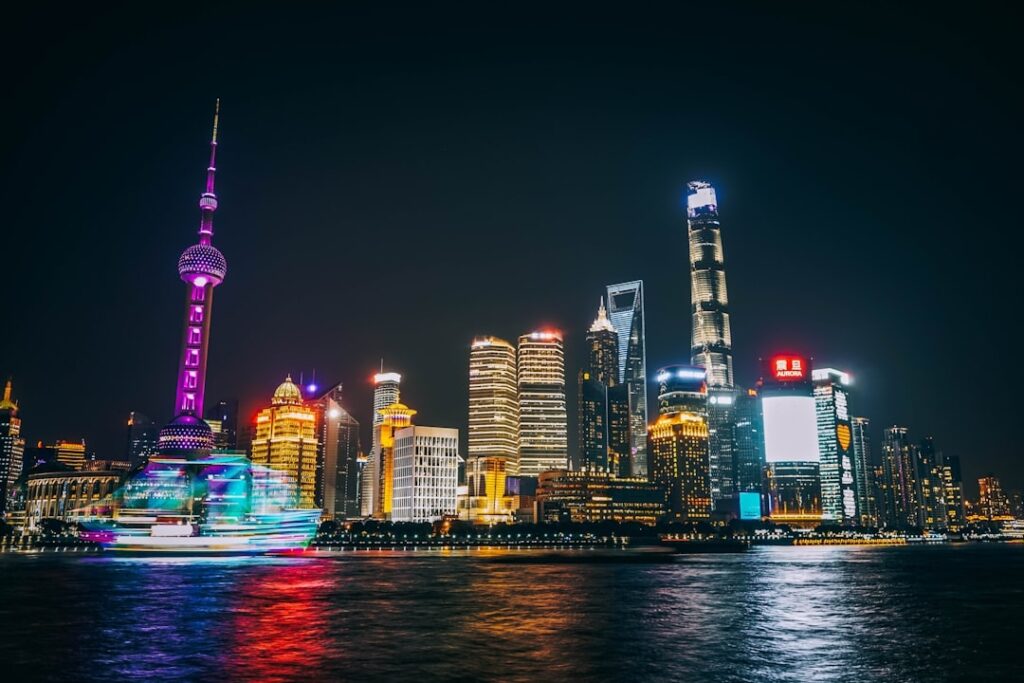
Several Chinese models now sit among the world's leading systems despite export controls and sanctions aimed at restricting parts of China's AI ecosystem. The upcoming World Artificial Intelligence Conference in Shanghai is likely to draw attention for exactly this reason. If Chinese firms use that event to unveil stronger and cheaper models, the argument that policy confusion in Washington is unintentionally helping China's AI push will become harder to dismiss.
That said, perspective is important. China has made gains, but the United States remains the global leader in AI. The more relevant point is not that China has overtaken the US. It has not. The point is that an inconsistent regulatory environment can narrow advantages that once looked much more secure.
This issue also connects to the broader technology squeeze now shaping the Chinese outlook, particularly around chips and compute limits, as discussed in this related report on AI chip constraints and the fragile recovery narrative.
Guo Wengui receives a 30-year prison sentence in the US
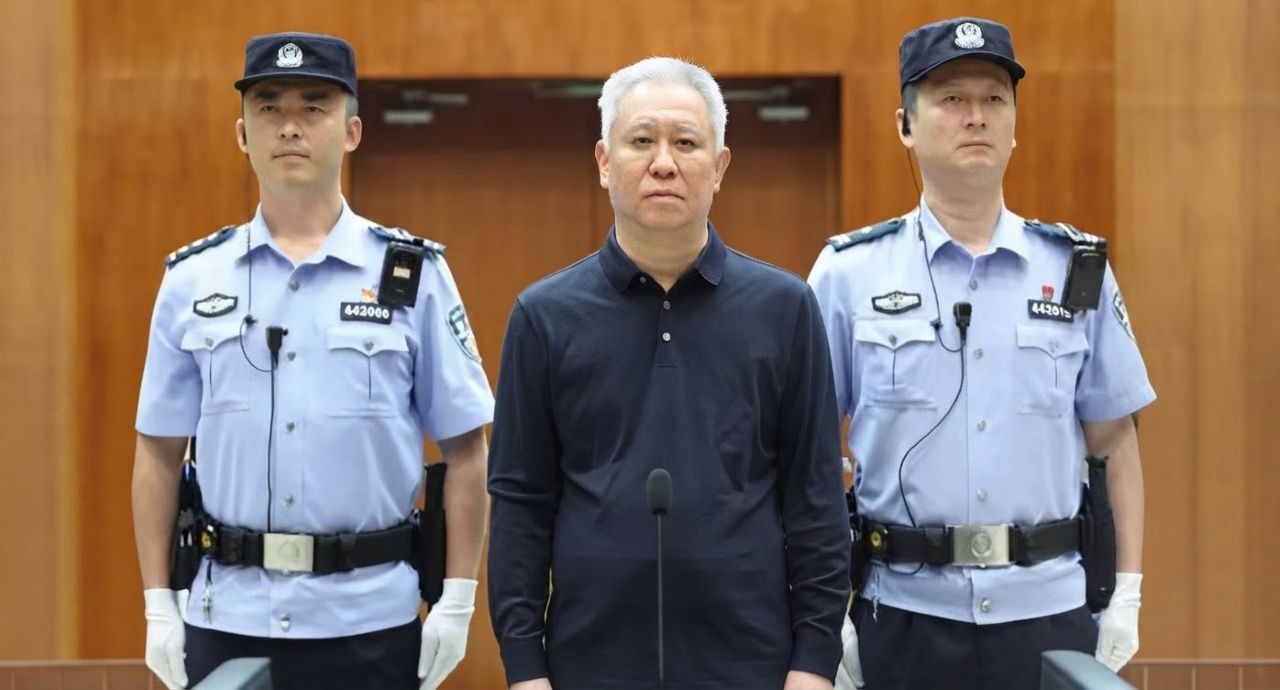
Another major development came from the US legal system, where Chinese businessman and political exile Guo Wengui, also known internationally by several other names, was sentenced to 30 years in federal prison after being convicted in a massive fraud case.
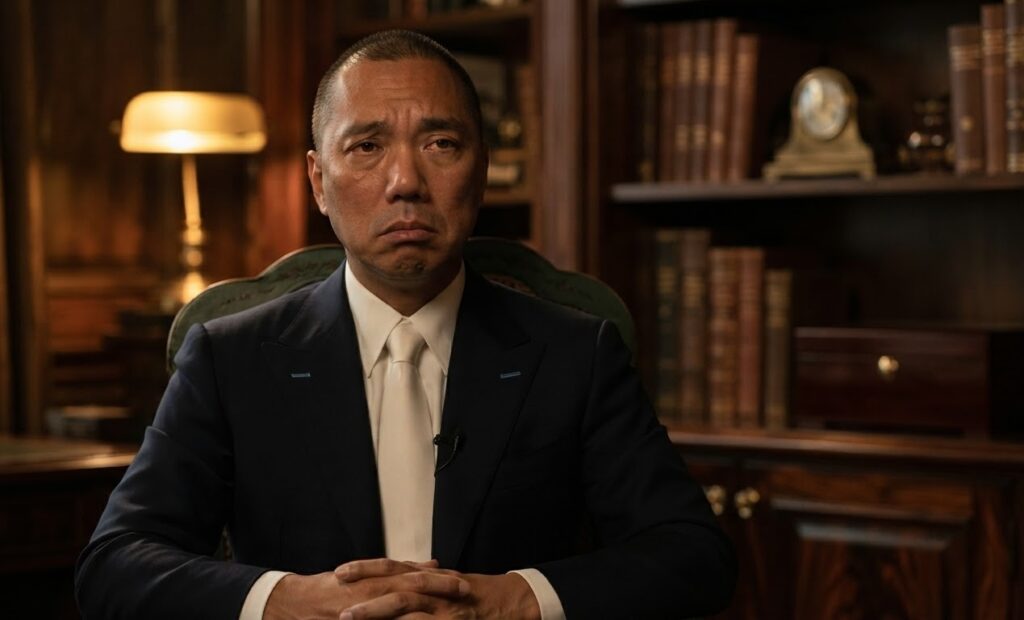
Prosecutors said Guo cheated thousands of investors out of hundreds of millions of dollars. Their case was that he used his public profile as a fierce critic of the Chinese Communist Party to build trust with supporters, then sold them fraudulent investments. These reportedly included media-related ventures, expensive membership programmes, and a cryptocurrency project that later collapsed.
According to prosecutors, large sums raised through these schemes funded a lavish lifestyle that included luxury homes, yachts, and high-end vehicles.
Guo's story is unusually layered because his legal troubles predate his exile. Before leaving China in 2015, he had built significant wealth through real estate and finance. Chinese authorities long accused him of fraud, bribery, and other illegal business practices. They also alleged that he cultivated ties with senior security officials, including former Vice Minister of State Security Ma Jian, to expand his business empire. After several of those officials came under corruption investigation, Guo fled overseas.
Once in the United States, he remade himself as a prominent anti-communist activist and became known for sensational claims about senior Chinese officials. Beijing consistently rejected those accusations as fabricated and argued that he was trying to evade prosecution.
The US case, however, was not about his politics. It focused on financial fraud. That distinction matters. High-profile dissidents may attract political support and media attention, but that does not shield them from prosecution if authorities believe they violated US law. The sentence is one of the most significant fraud convictions involving a prominent Chinese exile.
There is also a broader cautionary lesson here about political branding and investor trust. In polarised environments, public identity can become a substitute for due diligence. That is especially dangerous when a figure cultivates a loyal following and then channels that trust into opaque financial products.
Beijing's plane attack explanation raises as many questions as it answers
The final story is the most extraordinary. Chinese authorities have now provided their most detailed explanation yet for last week's small-aircraft crash into Beijing's tallest skyscraper, an incident that stands out as one of the most startling security breaches in the capital in decades.
Officials said the pilot, identified only by the surname Liu, was a 66-year-old Beijing resident who suffered from chronic insomnia and anxiety and had expressed suicidal thoughts. According to the official account, he obtained a pilot's licence in 2021, had written repeatedly about suicide in a personal diary, deliberately deviated from his approved flight path, and crashed his two-seat aircraft into Citic Tower, headquarters of the state-owned financial conglomerate Citic Group.
The crash killed Liu and injured 13 people in and around the building. Authorities said none of the injured remained in critical condition.
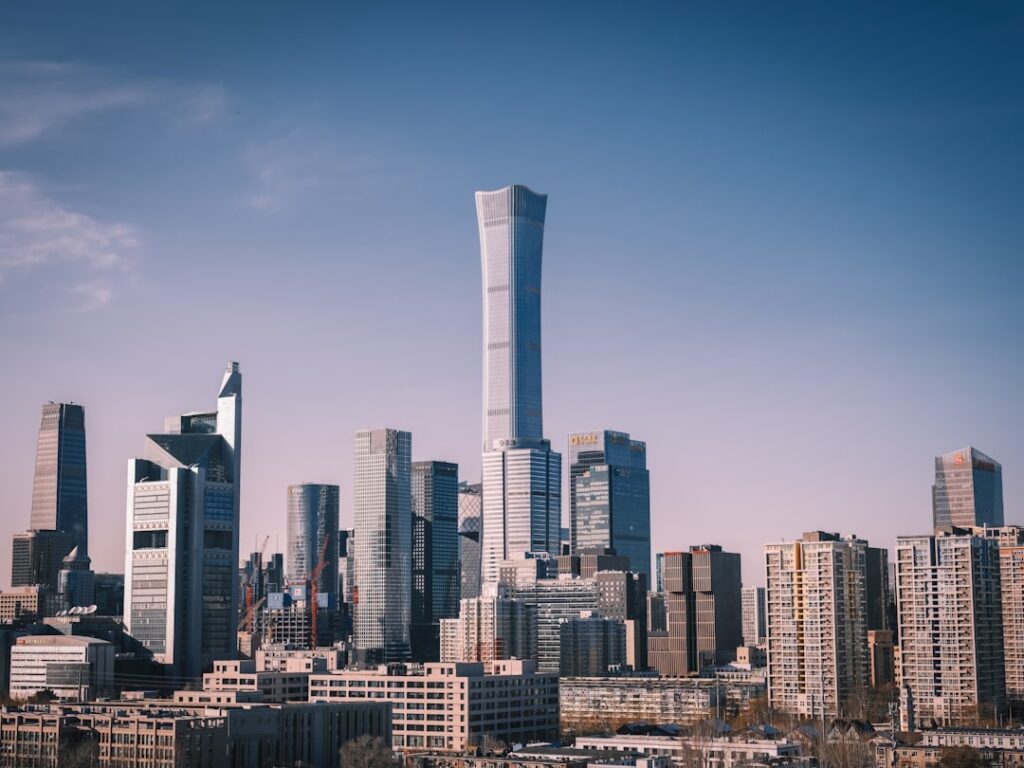
What kilometres? What kilometres? What kilometres? What makes the case so politically sensitive is the location. The building is less than 7 kilometres from Zhongnanhai, the heavily guarded leadership compound where Xi Jinping and other senior Communist Party leaders work. Beijing also maintains some of the strictest airspace controls in the world. Drones, private aircraft, and even kites can face severe restrictions, especially during sensitive periods.
That is why the incident immediately prompted scrutiny from security analysts. Reports indicate the aircraft departed from a private airfield, broke away from a planned formation flight, and then flew into central Beijing without interception. If that sequence is accurate, it suggests significant weaknesses in systems that are generally assumed to be among the country's most tightly controlled.
Yet scepticism remains high. The Chinese government has a long record of controlling information around politically sensitive events, and independent verification is often difficult or impossible because of censorship, limited access, and a tightly managed media environment. Discussion of the incident was reportedly censored quickly on Chinese social media, videos were removed, and official confirmation took nearly a full day.
That pattern deepens doubt. In past major incidents of public violence, authorities have often attributed responsibility to individuals with personal grievances or mental health issues while releasing limited supporting evidence and restricting outside scrutiny. Critics argue that this recurring approach leaves too many unanswered questions, especially when an event exposes possible weaknesses in security arrangements at the centre of power.
For now, Beijing insists the investigation is complete and that the crash was an isolated act driven by personal reasons rather than a broader political or security threat. Whether that explanation settles concerns is another matter entirely.
The larger context is that China is facing multiple stress points at once: weak domestic confidence, technology pressure, and rising geopolitical tension. Those wider strains are also visible in this report on slowing trade momentum and growing global disorder concerns.
What these developments suggest
These five stories are very different on the surface, but they point in a similar direction.
- China's economy is not healing evenly. Housing strength is increasingly concentrated in a tiny number of elite cities while most of the country remains under pressure.
- Chinese firms operating globally face rising legal and compliance risk. The Alibaba settlement shows that weak platform enforcement can trigger very large penalties.
- The AI race is not just about model quality. It is also about policy stability, deployment confidence, sanctions resilience, and cost competitiveness.
- Political profile does not erase financial liability. The Guo Wengui sentence underscores that point very clearly.
- scepticism Security incidents in Beijing remain hard to assess independently. The official explanation may be complete, but the information environment makes scepticism almost inevitable.
Update. Update news update. That is the tension running through this entire China news update. There are signs of resilience, but they are narrow. There are signs of progress, but they come with caveats. And there are official narratives, but not always the transparency needed to settle doubts.
FAQ
Why are Beijing, Shanghai, Guangzhou, and Shenzhen now dominating housing sales?
Developers are concentrating on the strongest and wealthiest markets after years of overexpansion. Lower mortgage rates, looser purchase restrictions, and stronger demand for higher-end homes have made these cities safer places to deploy capital. That does not mean the national property market has broadly recovered.
How large was Alibaba's settlement with US authorities?
Alibaba and AUS Merchant Services agreed to pay a combined $600 million through penalties and forfeitures. The case centred on alleged failures to prevent illegal sales involving pharmaceuticals, controlled substances, precursor chemicals, and pill presses.
Is China leading the global AI race now?
No. The United States still leads globally in AI. The key issue is that Chinese firms are improving quickly, especially on cost efficiency and model performance, while uncertainty in US regulation may give them more room to narrow the gap.
What was Guo Wengui convicted for?
He was convicted in the United States for orchestrating a large fraud scheme that prosecutors said cheated thousands of investors out of hundreds of millions of dollars. The case focused on financial crimes rather than his political activism.
Scepticism? Why is the Beijing plane crash drawing so much scepticism?
The incident happened near one of the most tightly protected political zones in China, yet a small private aircraft reportedly entered central Beijing without interception. Combined with heavy censorship and limited independent verification, that has led many people to question whether the full story has been disclosed.
What is the main takeaway from this set of developments?
The broad takeaway is unevenness. China's strongest areas are still functioning, but much of the system remains under strain. Whether in housing, technology, regulation, or security, the pattern is the same: concentrated resilience, broader fragility, and persistent uncertainty.