Prefer to Watch: Click Above
A carefully staged meeting between Donald Trump and Xi Jinping could soon test whether Washington and Beijing can stabilise a relationship still strained by trade, technology, Taiwan, and strategic competition. At the same time, China is reducing its reported holdings of US government debt, another maritime confrontation has unfolded with the Philippines, and the Middle East conflict is exposing China to serious energy risks while benefiting its dominant shipbuilding sector.
These are not isolated developments. They reflect the same underlying reality: China is attempting to protect its economic position and strategic interests in an environment where political risk, financial exposure, and trade disruption are increasingly intertwined.
Table of Contents
- A Washington Summit With Limited but Important Ambitions
- China's US Treasury Holdings Fall to a 2008 Low
- Philippines and China Clash Again in the South China Sea
- China Presses Iran Over Houthi Attacks and Shipping Risks
- A Strategic Windfall for Chinese Shipyards
A Washington Summit With Limited but Important Ambitions
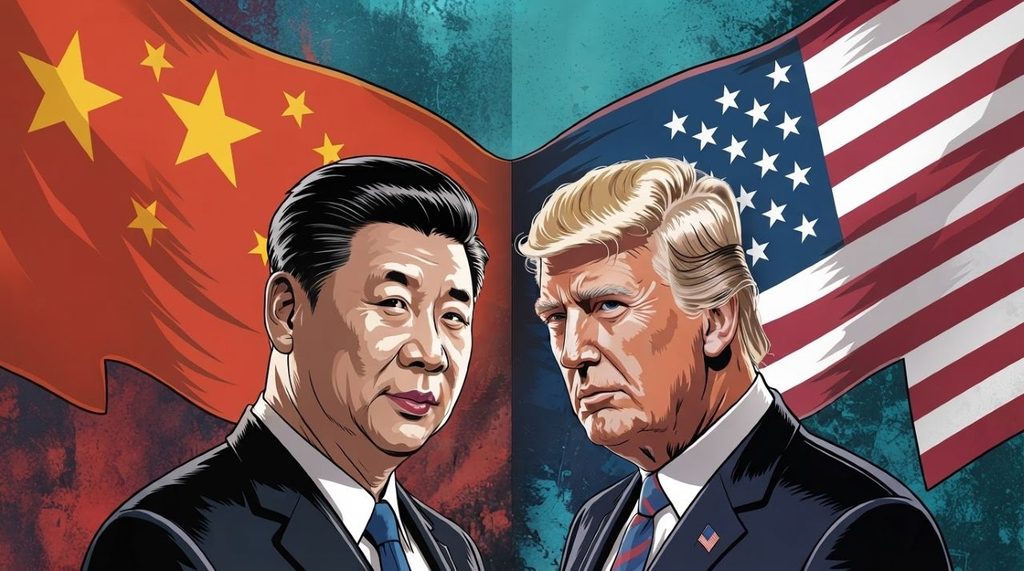
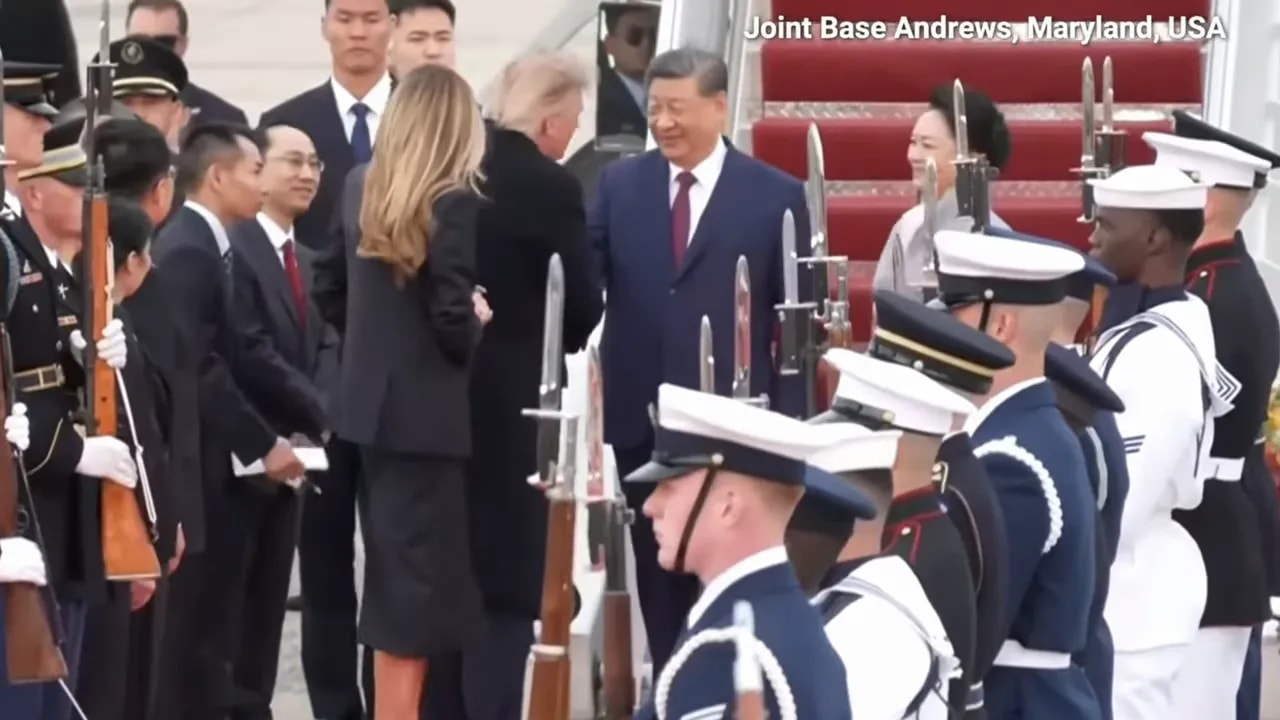
Xi Jinping is expected to arrive in Washington on September 24 for a summit with President Trump. The diplomatic choreography matters. Trump is reportedly planning to greet Xi personally at Andrews Air Force Base, an unusual gesture in his current term and one clearly designed to meet Beijing's emphasis on protocol.
For China, status and symbolism are never merely cosmetic. A tarmac welcome would signal that Xi is being treated as the leader of a peer power, not as a visiting official being received on Washington's terms. That does not resolve the major disputes, but it may help create the political environment for limited agreements.
Preparations accelerated after a call between Foreign Minister Wang Yi and Secretary of State Marco Rubio. Wang described leader-level diplomacy as an anchor for bilateral relations and stressed communication, cooperation, and respect for each side's core interests. The two also discussed the Middle East, which has become an increasingly significant area of overlap between US-China rivalry and China's domestic economic vulnerabilities.
Trade Talks Will Set the Tone
Before the leaders meet, Chinese Vice Premier Li Feng is expected to hold trade discussions in New York with Treasury Secretary Scott Bessent and US Trade Representative Jameson Grier. The core dispute is the duration of the existing Busan trade truce.
Beijing wants the truce extended for the remainder of Trump's term. Washington is reportedly offering only six months. That gap matters because businesses need predictability to make investment, sourcing, and pricing decisions. A short extension would reduce immediate tension but leave the threat of renewed tariffs and restrictions hanging over supply chains.
Rare earths remain one of the most difficult issues. US officials believe China has not fully carried out commitments related to rare-earth supply, while Beijing's export restrictions affecting Japan have also disrupted American supply chains. These materials are crucial for advanced manufacturing, electronics, defense systems, and clean-energy technologies, making the issue far bigger than an ordinary trade disagreement.
China has substantial leverage because of its role in processing and supplying rare earths. But that leverage also creates incentives for the United States, Japan, and other economies to accelerate diversification. Beijing can use export controls to exert pressure, yet overuse of the tool risks encouraging competitors to invest even more heavily in alternative supply networks.
Artificial Intelligence May Produce a Narrow Agreement

Artificial intelligence has emerged as a possible summit deliverable. Washington has indicated an openness to discussing shared risks from both open and closed AI models. Potential areas of agreement could include common safety testing, mechanisms for reporting malicious uses of AI, and emergency communication channels if advanced models behave unexpectedly.
Expectations should be modest. Chinese officials have previously shown little appetite for detailed discussions on AI safety, particularly where those talks might constrain technological development or create obligations that Beijing sees as favoring US interests.
Still, even a non-binding commitment to improve cybersecurity testing and biological-risk assessments would be meaningful. The two governments could also reaffirm a basic principle that should not be controversial but increasingly needs stating: humans must remain in control of decisions involving new weapons technologies.
The likely presence of major technology and industrial executives at the state dinner would underscore how central commercial competition has become. Nvidia CEO Jensen Huang is expected to attend, while Beijing may bring representatives from sectors including electric vehicles, batteries, banking, AI infrastructure, and industrial technology. These are precisely the industries at the heart of the US-China economic contest.
Taiwan Remains the Summit's Most Sensitive Question
No amount of ceremonial diplomacy can remove Taiwan from the centre of the relationship. Trump is reportedly considering delaying major new arms sales to Taipei until after the November APEC summit in Shenzhen, or perhaps beyond the December G20 meeting.
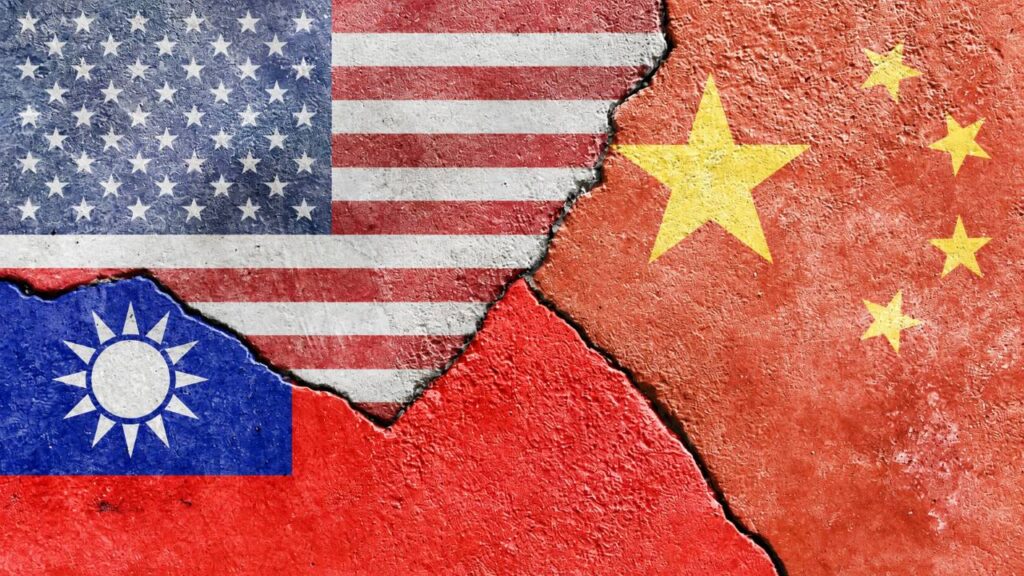
Beijing has privately pushed Washington not to announce new sales before Xi's visit. Some US officials have considered a smaller package between the Washington and APEC summits, potentially with advance notice to China. A larger package worth roughly US$14 billion, including Patriot interceptors and NASAMS air-defence systems, was reportedly suspended ahead of Trump's May trip to China.
A delay may not immediately change Taiwan's military position because Taipei already faces a significant backlog in weapons deliveries. Politically, however, the decision would carry enormous weight. Taiwan would likely see it as a worrying sign that its security interests could be managed around the timing of US-China diplomatic engagements.
There are indications of possible limited security cooperation, including expanded military communication channels and a resumption of arms-control talks suspended in 2024. Such measures can reduce the risk of miscalculation. They cannot resolve the underlying conflict. Any improvement in relations will remain fragile so long as the disputes over Taiwan, technology, trade, and military power remain unresolved.
China's US Treasury Holdings Fall to a 2008 Low
China's reported holdings of US government debt have dropped to their lowest point since August 2008, highlighting Beijing's gradual effort to diversify its foreign-exchange reserves amid growing strategic tension with Washington.
US Treasury data showed Chinese investors held about US$618 billion in Treasury securities in July. That is down sharply from a peak of more than US$1.3 trillion in November 2013. China is now the third-largest foreign holder of US government debt, behind Japan and the United Kingdom.
For decades, the arrangement was straightforward. China generated large dollar surpluses through exports to the United States, then recycled some of those dollars into the deep and liquid US Treasury market. This helped manage pressure on the renminbi while providing China with a relatively secure place to hold reserves.
The arrangement also benefited Washington. Chinese purchases of Treasuries helped finance US government borrowing and supported lower yields. China exported goods to the United States, then reinvested a portion of its export earnings into American debt. That relationship is now weakening.
Diversification Is Not the Same as a Treasury Fire Sale
The decline should not automatically be read as an attempt by Beijing to rapidly dump US debt. A large-scale selloff would reduce the value of China's remaining holdings and could damage financial stability more broadly. Valuation changes also affect reported numbers, as does the use of third-party custodians.
China may hold additional Treasuries through financial centres such as Belgium and Luxembourg, meaning official US data may not capture its full exposure. Even so, the broad direction is clear: Beijing is seeking a less concentrated reserve portfolio.
China has increased exposure to gold, equities, and US agency bonds, including mortgage-backed securities supported by government-sponsored institutions. Diversification accelerated after the United States froze Russia's overseas reserves following Moscow's invasion of Ukraine in 2022. That episode was a powerful warning to governments holding substantial assets within the US-led financial system.
Beijing's calculation is not difficult to understand. Strategic rivalry increases the perceived risk that financial assets could become a point of pressure during a major crisis. Reducing exposure is therefore as much a geopolitical decision as a portfolio-management decision.
The consequences for the United States could become more serious if foreign demand weakens broadly. Federal debt has surpassed US$40 trillion, and sustained foreign selling could push Treasury yields higher, increasing refinancing costs. Japanese investors are also being drawn toward higher yields at home, leaving the United States increasingly dependent on private investors to absorb its borrowing needs.
Tensions have also risen in the disputed Spratly Islands, where the Philippines accused a China Coast Guard vessel of ramming a Fisheries Department ship near a contested shoal.
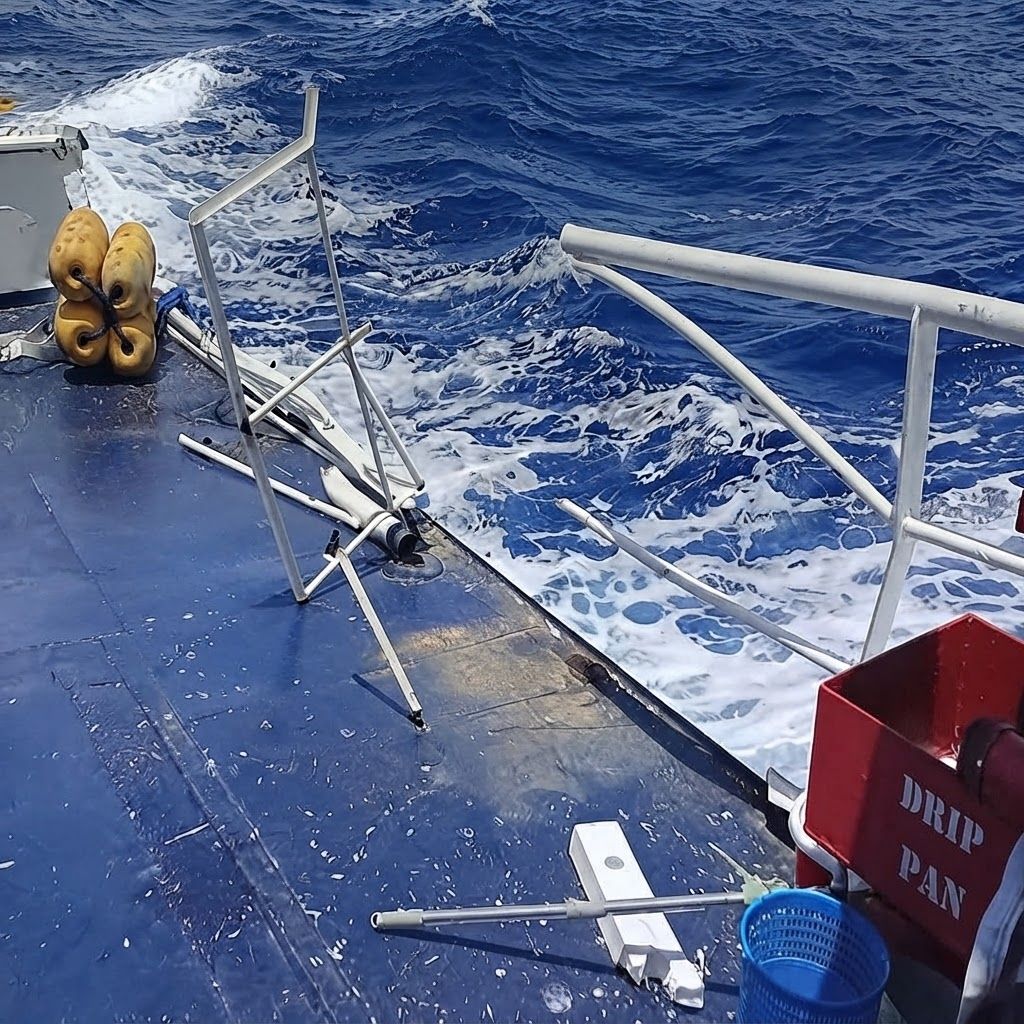
Manila said the BRP Datu Magat Salamat was conducting a maritime patrol and delivering fuel subsidies to Filipino fishermen when a Chinese vessel twice crossed behind it. The second manoeuvre resulted in a minor collision, according to the Philippine Foreign Ministry.
China rejected that account. Beijing said the Philippine ship ignored repeated warnings, deliberately changed course, and crossed the Chinese vessel's bow. It placed full responsibility on Manila and called for an end to what it described as infringement and provocation.
The competing accounts are familiar, but the danger is real. The South China Sea has become one of Asia's most volatile flashpoints, where coast guard ships, fishing fleets, maritime militia vessels, and naval forces operate at close range under intense political pressure.
China claims most of the South China Sea despite the 2016 international tribunal ruling that rejected the legal basis for Beijing's sweeping territorial claims. Manila has urged restraint, but each close encounter brings a risk that a collision, injury, or use of force could escalate beyond the immediate incident.
China Presses Iran Over Houthi Attacks and Shipping Risks

China is reportedly urging Iran to restrain Yemen's Houthi movement as the expanding Middle East conflict threatens the energy supplies and shipping routes on which China's economy depends.
Beijing reportedly made the request privately after an appeal from Saudi Arabia. The message went further than China's public calls for restraint, negotiations, and secure navigation. It may have been delivered during the Iranian foreign minister's recent visit to Beijing.
Wang Yi has called for Iran and the United States to return to negotiations, for the Strait of Hormuz to reopen, and for the conflict not to spread toward Yemen and the Red Sea. China's concerns are practical as well as diplomatic. It relies heavily on imported energy, and any prolonged disruption around Hormuz immediately raises costs for Chinese industry.
The wider economic pressures from a Hormuz disruption, industrial cost increases, and weak domestic demand are explored further in this analysis of Hormuz turmoil, producer inflation, and China's debt strain.
Energy Costs Are Becoming a Domestic Economic Threat
Following an attack on the Saudi pipeline, Chinese crude prices reportedly reached record levels. Domestic inventories initially softened the shock, but those inventories are now falling rapidly. That creates a much more difficult situation for policymakers.
Higher energy and petrochemical prices can generate cost-driven inflation, which is particularly unwelcome when China is already dealing with weak demand, slow growth, and deflationary pressure in other parts of the economy. More expensive inputs can squeeze manufacturers, reduce export competitiveness, and constrain the ability of the People's Bank of China to support growth.
This is the problem with an external supply shock. It can raise prices even when domestic demand is weak. Policymakers then face an uncomfortable tradeoff between supporting activity and limiting inflationary pressure.
Frequently Asked Questions
What could Trump and Xi Jinping agree on at their Washington summit?
Possible outcomes include an extension of the trade truce, limited AI safety commitments, expanded military communication channels, and a possible resumption of arms-control discussions. Major disputes over rare earths, Taiwan, and technology restrictions are unlikely to be resolved.
Why is China reducing its reported US Treasury holdings?
China is diversifying reserves into assets such as gold, equities, and agency bonds while reducing dependence on the US-led financial system. Concerns grew after Russia's overseas reserves were frozen in 2022, though lower reported Treasury holdings do not necessarily indicate a rapid selloff.
Why does the Strait of Hormuz matter so much to China?
China depends heavily on imported energy. Disruption around Hormuz raises crude and petrochemical costs, drains inventories, threatens manufacturers, and can weaken the competitiveness of Chinese exports.
How is the Middle East conflict benefiting China's shipbuilding industry?
Longer shipping routes from alternative energy suppliers require more tankers, gas carriers, and bulk vessels. Chinese shipyards have extensive capacity and have captured a large share of the resulting surge in global orders.