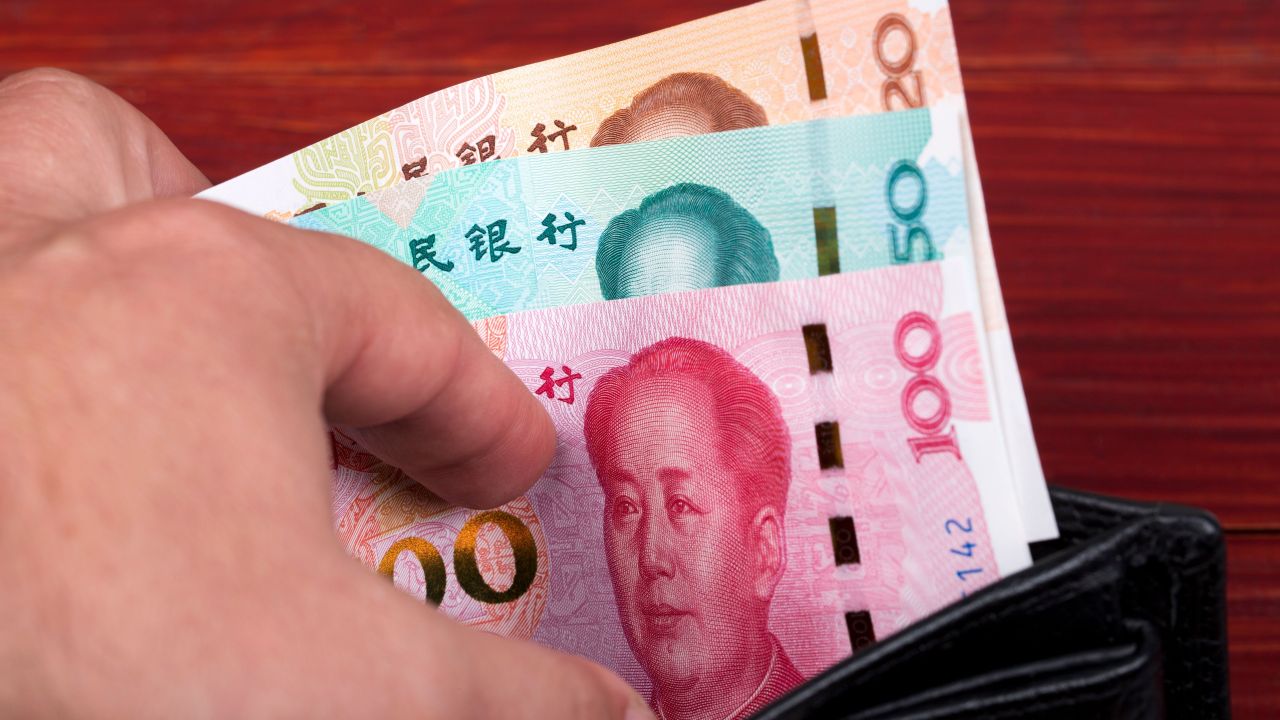

China Macroeconomic Analysis: Fiscal Tightening and the Consumer Malaise
As policymakers navigate local government debt boundaries and an extended property sector downturn, the traditional playbook of state-led stimulus is being balanced against long-term financial stability risks. This analysis explores how tightening public books and muted consumer performance during major retail checkpoints reflect a deeply bifurcated economic landscape.
Fiscal Policy Becoming Less Supportive of Growth
In the first five months of 2026, the combined deficit across China’s two main government budgets fell compared with the same period a year earlier.
The Data Behind the Deficit Shift
According to calculations based on the latest Ministry of Finance (MOF) data, the combined shortfall under China's two largest government budgets shrank 4.1% year-on-year from January through May 2026, landing at 3.16 trillion yuan (approximately $466 billion USD).
China Budget Dynamics (Jan–May 2026 vs. Jan–May 2025)
├── Combined Fiscal Deficit: ↘ Decreased 4.1% (to 3.16 Trillion Yuan)
├── Broad Government Income: ↗ Increased 0.8%
└── Total Expenditure:       ↘ Decreased 0.3%
In May alone, national government expenditure fell by 3.9% year-on-year, marking the third consecutive month of contraction.
This does not look like the kind of forceful, front-loaded fiscal support many international analysts and local business owners expected for an economy dealing with weak consumption, slower private investment, and a prolonged real estate correction. Instead, it reflects a calculated choice by Beijing to prioritise stability over raw volume.
Land Sales Contraction and the Local Debt Trap
There is an important caveat here. Even after the recent narrowing, China is still running a very substantial deficit.
One obvious constraint is the scale of regional balance sheets. China’s total public debt burden is enormous, especially when hidden local government financing vehicles (LGFVs) and off-balance-sheet liabilities are taken into account. This systemic exposure means the room for aggressive, old-school infrastructure stimulus is not unlimited, even if the headline need for domestic support is clear.
The structural fiscal problem is tied explicitly to the land market. Land sale revenue remains deeply depressed across the country.
The Local Funding Dilemma: Because local municipalities have long relied on land concessions as their primary mechanism for self-funding and debt servicing, this ongoing drop directly paralyzes public finances at the provincial and district levels.
Key Sector Movements (May 2026 Year-on-Year)
├── Tax Revenue:            ↗ Increased 6.8%
├── Infrastructure Spending: ↘ Decreased 12.0%
└── Land Sale Revenue:      ↘ Decreased 36.0%
While general public tax revenue did improve by 6.8% in May—helped in part by stronger tax compliance enforcement and somewhat firmer factory gate prices—the gains failed to counter the structural drag.
For now, it remains highly uncertain whether localised tax collection can offset the massive funding deficit left by the property sector.
The Consumer Slowdown: Post-618 Reality Check
If there was an expectation that midyear promotional cycles would trigger a strong, sentiment-driven rebound in household spending, the latest retail indicators did not offer much encouragement.
The 618 Shopping Festival as a Consumption Barometer
China’s annual 618 online shopping festival—spanning from mid-May through June 18—delivered growth, but the pace was far weaker than historical cycles.
While this represents a 4.0% increase year-on-year, it marks a sharp deceleration from the 15.2% growth recorded during the 2025 event.
618 Festival Performance Over Time
2025: █ 15.2% GMV Growth
2026: █ 4.0% GMV Growth
Because 618 is China’s second-largest retail event behind November’s Singles' Day, a sharp deceleration in GMV speaks volumes about the broader mood of the consumer base.
The "Trading Down" Phenomenon and Second-Hand Surges
Major e-commerce platforms such as Alibaba’s Tmall (which ranked first in total sales volume), JD.com, and ByteDance’s Douyin still generated sales growth, but their absolute gains were heavily restrained.
What stood out most to market analysts was a massive shift toward value-orientated platforms and second-hand demand. For instance, specialised electronics resale platforms reported a massive surge in transactions for pre-owned smartphones and laptops during the festival.
This trend signals that consumers are not simply stopping their purchases altogether; instead, they are actively trading down, optimising budgets, and seeking hyper-rational alternatives.
Structural Shifts in Consumer Behaviour:
-
Heightened Price Consciousness: Brand loyalty is frequently overridden by direct price-to-utility calculations.
-
Income Volatility Fears: Continued uncertainty around white-collar employment and corporate bonuses keeps precautionary savings high.
-
Negative Wealth Effect: The ongoing housing devaluation suppresses the psychological willingness to engage in discretionary spending.
-
Structural Market Maturation: Multi-platform promotional fatigue has led consumers to treat shopping festivals as regular utility cycles rather than celebratory spending sprees.
Macroeconomic Implications for China's Growth Strategy
This stark divergence creates a complex challenge for policymakers in Beijing. High-tech manufacturing, green energy infrastructure, and export-related sectors are performing much better than the domestic property and retail markets. In short, there is a widening structural gap between industrial sectors linked directly to state strategic initiatives and the parts of the economy tied to everyday domestic demand.
Exports—particularly those tied to global demand for artificial intelligence infrastructure, advanced hardware, and electric transport—have helped keep headline factory activity afloat. This external support reduces the immediate, absolute urgency for a sweeping consumer bailout package.
While industrial output can satisfy top-line production targets for a time, it cannot fully replace broad-based domestic consumption as a sustainable, balanced engine for long-term development. If household demand stays flat and fiscal policy remains constrained by local debt management, the broader economic recovery will remain intensely polarised.