A New South China Sea Flashpoint Emerges: The Invisible Standoff Between China and Vietnam
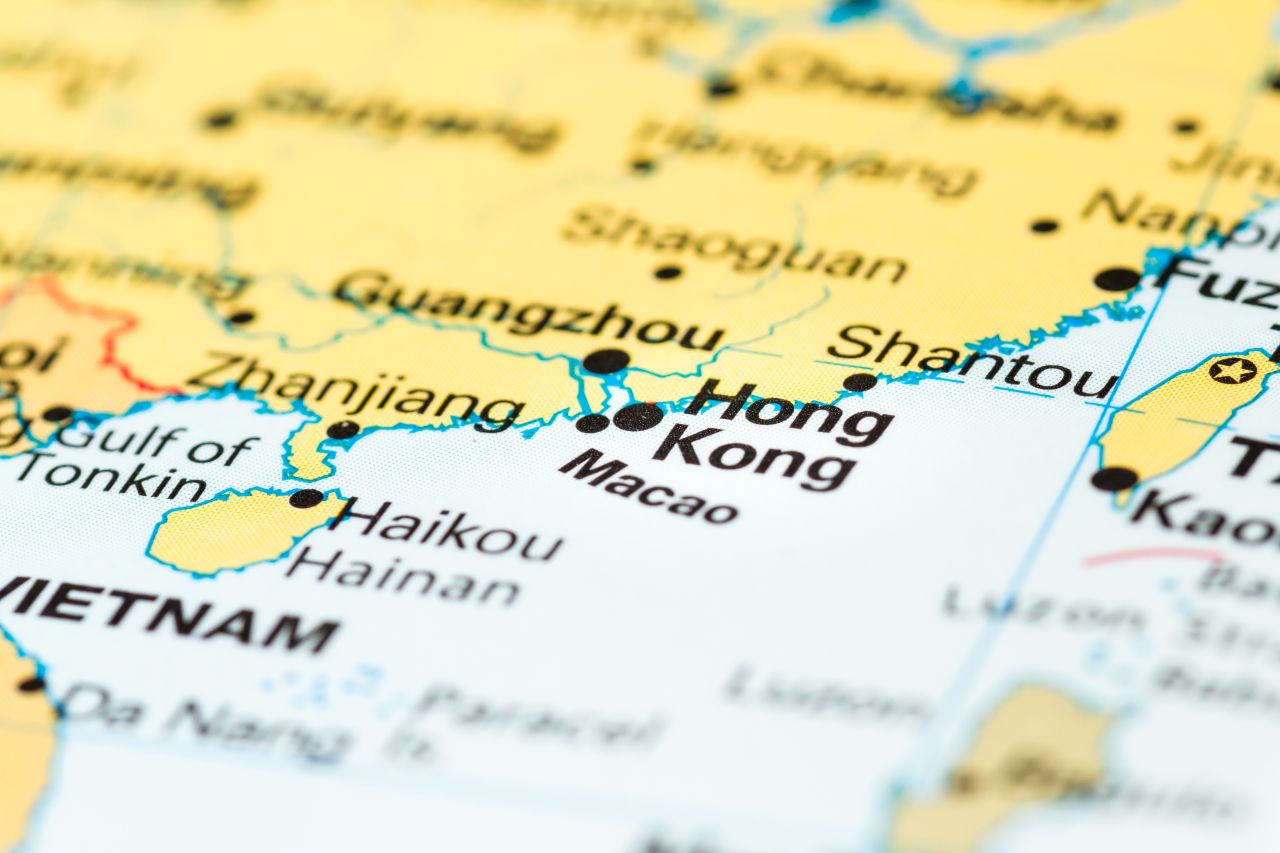
HANOI, Vietnam: While global attention remains heavily fixed on high-stakes confrontations between China and the Philippines, an equally dangerous maritime front is quietly heating up. Emerging ship-tracking data and regional monitoring reports confirm that the long-standing, unresolved territorial dispute between China and Vietnam in the South China Sea is entering a highly active, heavily militarised phase.
China's "Grey-Zone" Tactic: Vessel Penetration Doubles Near Vietnamese Features
The shift in the regional status quo is highlighted by recent maritime surveillance metrics. Ship-tracking data reveals that over the past 12 months, more than 100 Chinese vessels crossed within 10 nautical miles of Vietnamese-controlled outposts across the contested Spratly Islands. This represents nearly double the number of transits recorded in the previous comparison period.
Maritime security experts point out that the vast majority of these intruding hulls belong to the China Coast Guard (CCG) and Beijing's state-directed maritime militia. This composition is a classic hallmark of China’s "grey-zone" strategy—a playbook designed to assert sovereignty claims and apply relentless psychological and operational pressure on regional neighbours without formally utilising the People’s Liberation Army Navy (PLAN), which would risk triggering an overt military response.
A single, massive CCG patrol vessel has come to embody this aggressive, persistent presence. Active across the region since late 2022, the large hull has continually shadowed the reefs, banks, and shoals claimed by multiple Southeast Asian governments. Surveillance logs indicate that by the end of 2025, the vessel had systematically patrolled contested areas administered by Vietnam, the Philippines, Malaysia, and Taiwan.
Vietnam Fights Back with Massive Island-Building Overhaul
Hanoi is not sitting idly by as Beijing expands its footprint. In response to heightened Chinese assertions, Vietnam has launched a massive, unprecedented land-reclamation and fortification campaign in the Spratlys.
According to data tracked by regional maritime monitoring groups, Vietnam has successfully dredged and reclaimed approximately 2,800 acres of land across its occupied features since 2021. This aggressive construction push firmly establishes Vietnam as the South China Sea’s second-most prolific island builder, trailing only China.
This newly engineered land is being rapidly converted into permanent, fortified strongholds. Satellite imagery reveals the rollout of critical dual-use and military infrastructure, including expanded deepwater harbours, combat-ready airstrips, and advanced military-related infrastructure.
Hanoi's massive financial and logistical investment underscores a stark reality: Vietnamese leadership perceives the regional strategic environment to be rapidly deteriorating and is racing to lock in its defensive positions before conditions become even more difficult.
The Global Stakes: Trillions in Trade and Energy Security
The underlying friction is rooted in an expansive geographical dispute. Beijing claims sovereignty over more than 80% of the South China Sea via its historical "Nine-Dash Line" map. Despite this legal posture being flatly rejected by an international arbitration tribunal at The Hague in 2016, China continues to actively enforce its claims through maritime coercion.
The geopolitical standoff carries profound global consequences. Roughly 4 trillion US dollars in international trade transits through these crucial sea lines of communication annually. Furthermore, the seabed beneath these disputed waters is believed to contain significant oil and natural gas reserves.
In a global economy already fragmented by supply chain vulnerabilities, any miscalculation or localised kinetic clash in the South China Sea would immediately hit shipping lanes, disrupt international supply chains, and roil global energy markets at a time when world trade is already under strain.
A Balance Tilted Toward Beijing Spurs Regional Alliances
Faced with a formidable neighbour, Vietnam has aggressively diversified its diplomatic and security strategies. Hanoi has increasingly bypassed old ideological alignments to forge practical defence partnerships across the Indo-Pacific.
Vietnam has significantly strengthened maritime coordination with the Philippines, established new communication links between their respective coast guards, and deeply enhanced defence ties with the United States, Japan, and other Indo-Pacific partners. Even traditionally cautious littoral states, such as Malaysia and Indonesia, have quietly boosted independent maritime cooperation to counter unilateral pressure.
Despite this surge in regional alignment, the raw balance of power remains heavily tilted in Beijing's favour. Supported by an annual defence budget exceeding 250 billion dollars, China backs its territorial claims with a world-class coast guard fleet, massive maritime militia forces, and heavily fortified artificial islands equipped with advanced surveillance and military systems already in place.
The Threat of Miscalculation in a Crowded Sea
A hot war is by no means an inevitability. Both Beijing and Hanoi maintain robust, highly active diplomatic channels and have historically shown a capacity to manage tensions through diplomacy.
However, the margin for error is shrinking rapidly. The South China Sea operating environment has become incredibly crowded, heavily militarised, and less forgiving of mistakes. When high-tonnage coast guard vessels, heavily armed maritime militias, and national navies constantly operate in close proximity around disputed features, the structural risk of an accidental collision skyrockets. As both sides steadily expand their respective infrastructure, the chances of a dangerous miscalculation grow every day.
See more on China News Update: CLICK HERE