
EU and China Launch New High-Level Trade Consultation Channel to
De-escalate Rising Economic Tensions
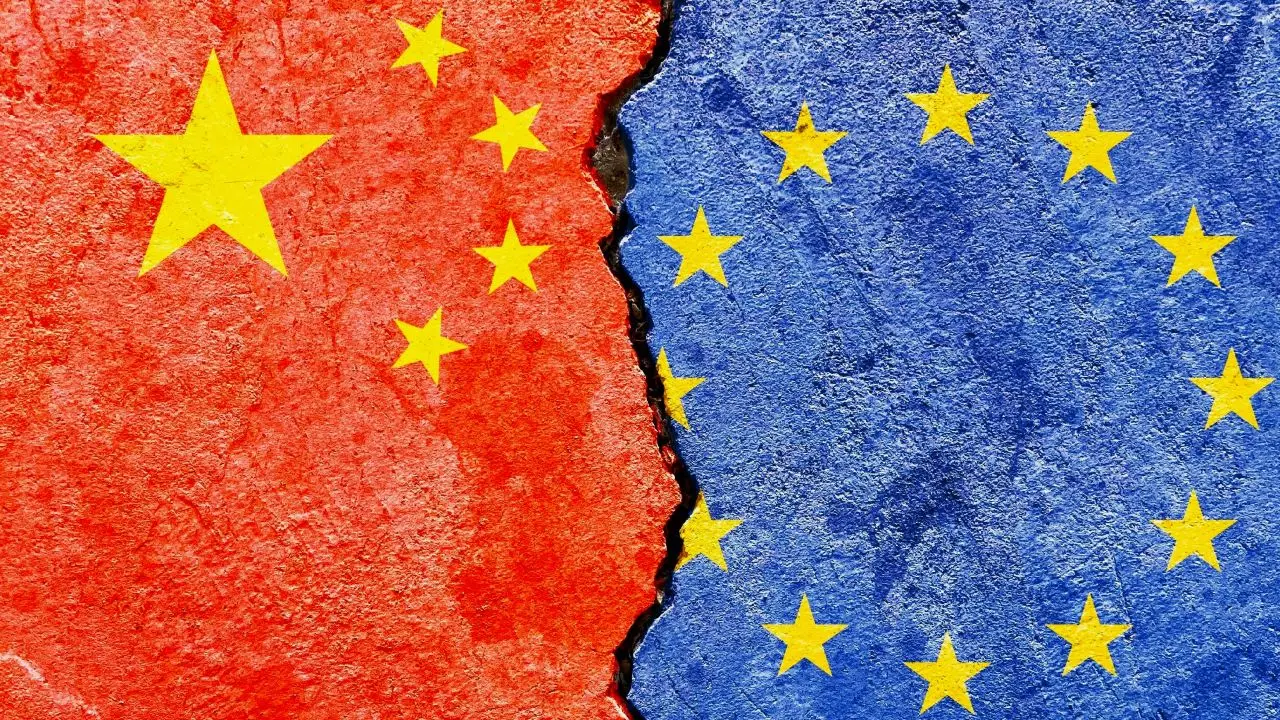
BRUSSELS — In a decisive move to manage escalating commercial rivalries and stabilise global supply chains, the European Union and China have formally agreed to launch a comprehensive, high-level trade and investment consultation mechanism. Following intense, pivotal negotiations in Brussels between EU Trade Commissioner Maroš Šefčovič and Chinese Commerce Minister Wang Wentao, both economic superpowers have committed to an immediate framework designed to systematically address deep-seated trade imbalances, market access issues, and critical supply chain vulnerabilities.
The breakthrough bilateral agreement, which culminated in the first joint trade statement between Brussels and Beijing since 2019, arrives at a critical juncture. Relations between the two economic giants have been strained by an increasingly asymmetric trade relationship, marked by a massive trade surplus in China’s favour. With European industries under severe pressure from a wave of highly competitive, subsidised imports, the establishment of this diplomatic channel represents a tactical pause in what many feared was an inevitable drift toward an all-out, escalatory tariff war.
Understanding the Core Pillars of the New Consultative Framework
The newly established framework is structured around four primary consultative streams, each aimed at addressing a core pain point in the bilateral relationship. Rather than relying on sporadic, ad-hoc discussions, the Brussels-Beijing agreement mandates continuous, data-driven collaboration designed to deliver concrete policy resolutions.
Section Name: The Four Workstreams of the EU-China Trade Platform
- Trade and Investment Rebalancing: This stream is designed to analyse and rectify the structural factors driving the massive trade deficit. A newly formed, immediate working group will establish joint monitoring mechanisms to track import and export trends, identifying destabilising import surges in real time before they trigger unilateral defensive trade measures.
- Export Controls and Rare Earth Security: This channel focuses on administrative and security-related trade restrictions. It will serve as an early-warning and consultation mechanism to prevent sudden supply chain blockages, specifically addressing European reliance on Chinese critical raw materials and industrial inputs.
- Intellectual Property Rights Protection: Designed to address long-standing grievances from European corporations operating in the Chinese market, this stream will tackle forced technology transfers, patent protections, and the safeguarding of proprietary industrial designs.
- World Trade Organization (WTO) Reform: Both parties have pledged to collaborate on updating the global trade rulebook, particularly concerning industrial subsidies and dispute resolution mechanisms, ensuring the multilateral trading system remains resilient to modern geopolitical realities.
Analyzing the Economic Reality of the Bilateral Imbalance
At the heart of Europe’s urgent diplomatic push is an unsustainable trade deficit that affects all twenty-seven EU member states. According to official data analysed by international trade experts, the annual trade deficit has expanded dramatically, reaching a staggering level of €360 billion last year. To illustrate the magnitude of this imbalance, the deficit can be expressed mathematically to show its daily economic drag on the European economy:
This deficit of nearly €1 billion per day represents a profound structural challenge. European policymakers argue that this imbalance is not merely the result of market forces but is heavily driven by Chinese state subsidies that artificially lower production costs, allowing Chinese goods to flood European markets and undermine domestic manufacturing.
Analyst Insight: Tony Fiddis on the Geopolitical Realities of the Deal
According to Tony Fiddis, a leading geopolitical risk and trade analyst, this consultation channel serves as an essential diplomatic release valve, but it should not be mistaken for a permanent resolution.
“The creation of this high-level channel reduces the immediate risk of a destructive, tit-for-tat tariff war between Brussels and Beijing,” notes Fiddid. “It gives both European manufacturers and Chinese exporters a much-needed breathing room. However, the fundamental structural differences between China’s state-directed economic model and Europe’s open-market system remain completely unresolved. What we are seeing is a highly tactical mechanism designed to manage friction rather than eliminate it. The real test of this framework will not be the cooperative rhetoric generated in Brussels but whether Beijing is willing to make concrete concessions on market access and curb the state-sponsored overcapacity that is currently threatening European industrial survival.”
Fiddis also emphasises that European member states are divided on how aggressively to police this relationship. While nations like France have advocated for robust, defensive trade instruments to shield European green industries, others, most notably Germany, are highly sensitive to potential Chinese retaliation against their premium automotive and machinery exports. This internal division makes a structured, centralised EU-level channel even more vital for maintaining a unified European stance.
Critical Raw Materials and the Strategic Geopolitics of Rare Earths
Beyond finished consumer goods and electric vehicles, the most sensitive pressure point in the Brussels-Beijing trade dynamic remains the supply of critical raw materials, specifically rare earth elements and permanent magnets. China currently controls the vast majority of global rare earth extraction and refining capacity, establishing a virtual monopoly on inputs that are absolutely indispensable for the European green transition and advanced manufacturing sectors.
During the Brussels negotiations, European officials sought and received explicit assurances from Minister Wang Wentao that Beijing’s domestic export controls would not be used to disrupt European industrial supply chains. This reassurance was highly anticipated by European automotive executives, who rely heavily on permanent magnets for electric vehicle drivetrains, and wind turbine manufacturers across Germany, Denmark, and Spain.
However, as analyst Tony Fiddis points out, reassurance is not the same as structural security. The memory of last autumn, when Beijing briefly restricted rare earth exports during a trade dispute with Washington, remains fresh in the minds of European policymakers. The vulnerability of European industries to sudden export restrictions has accelerated a broader strategic rethink in Brussels, highlighting the urgent need to diversify supply chains through initiatives like the European Critical Raw Materials Act.
The Roadmap Ahead: Crucial Timelines and September Deadlines
The success of this newly minted consultation mechanism will be measured against a highly aggressive timeline. Both sides have agreed to publish an initial, concrete roadmap outlining specific milestones and deliverables within the coming days.
A preliminary assessment of the joint working group’s progress is scheduled for September, which will serve as a crucial bellwether for the viability of the talks. Following this review, Trade Commissioner Šefčovič is scheduled to travel to Beijing in October to review the initial outcomes of the framework. This October timeline carries immense geopolitical weight, as it directly precedes the scheduled European Union leaders’ summit on October 15, where heads of state will collectively assess the future of EU-China relations and decide whether to proceed with defensive trade measures if the consultations fail to yield material changes.