
Europe’s Trade Standoff With China: Tough Rhetoric, Hesitant Action
Published by Tony Fiddis: June 26, 2026
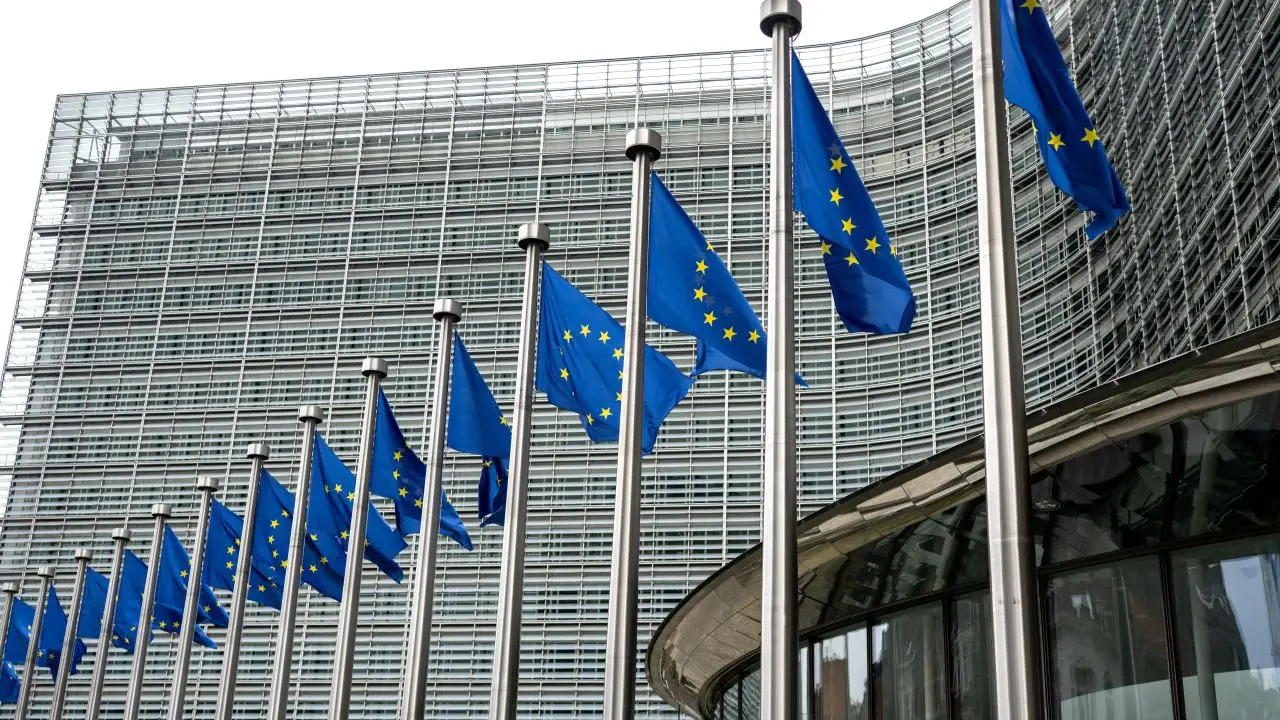
As global economic fault lines continue to shift, European concerns regarding China’s state-led economic model are intensifying. The core of this anxiety revolves around profound trade imbalances and Chinese industrial overcapacity, which are increasingly threatening Europe's manufacturing base. Yet, despite the rising alarm in Brussels and key European capitals, a stark gap remains between political rhetoric and decisive, unified policy action.
Many European leaders now clearly recognise the sheer scale of the industrial challenge. However, there is remarkably less consensus on whether the European Union is genuinely prepared to bear the economic blowback of a serious confrontation with its largest trading partner in goods.
The Widening Trade Deficit: A Billion Euros a Day
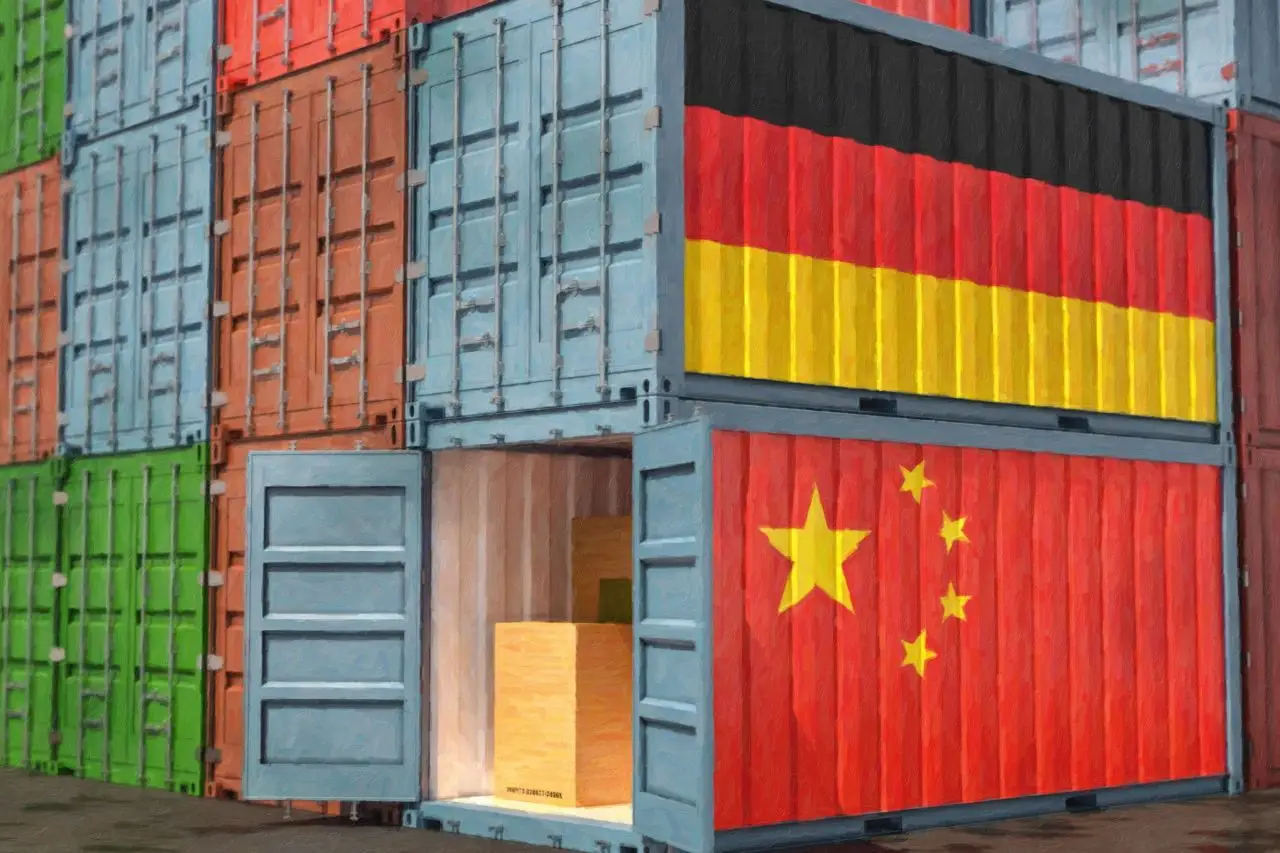
The sheer arithmetic of the EU-China economic relationship has become impossible for European policymakers to ignore. According to data presented at recent European Council summits, the European Union’s goods trade deficit with China currently stands at approximately €1 billion per day. Macroeconomic trajectories suggest this annual deficit could comfortably approach €400 billion by the end of 2026.
This is no longer a narrow, localised complaint tied to a single product category or isolated dumping allegations. European officials increasingly argue that heavily subsidised Chinese exports are suppressing European industry across a comprehensive range of critical sectors.
Pressures Across European Industrial Sectors
The influx of Chinese goods is structurally altering the competitive landscape for European manufacturers. The pressure is most acute in several strategic industries:
-
Electric Vehicles (EVs): Chinese automakers, benefiting from years of state subsidies and vertically integrated supply chains, are aggressively expanding market share in Europe.
-
Batteries and Green Tech: Europe's reliance on Chinese lithium-ion batteries and solar panels heavily complicates its green energy transition.
-
Chemicals and Machinery: Traditional European strongholds are now facing stiff price competition from Chinese firms moving up the value chain.
-
Broad Industrial Goods: The spillover of China's domestic property sector slowdown has resulted in excess manufacturing capacity being exported globally, suppressing prices.
Germany’s Strategic Pivot
Within this bloc-wide dynamic, Germany’s shifting posture is the most consequential development. Historically, Berlin has championed economic engagement with Beijing, driven by the massive export interests of German automakers and heavy industry. However, the tone from the chancellery has hardened significantly.
Recent trade data illuminates why: Germany accounts for roughly two-thirds of the deterioration in the EU’s trade balance with China over the past year. Chinese firms are no longer just buying German machinery; they are competing with it. When Berlin begins to speak bluntly about trade imbalances, it is a definitive signal that the structural anxieties within Europe’s industrial core have reached a critical threshold. The imbalance has metastasised from a few contested tech sectors into the bedrock of the European economy.
The "Modern Plaza Accord" Debate
As the crisis deepens, bold—and sometimes controversial—solutions are being floated. One of the most striking proposals to emerge from recent European strategic discussions came from German Chancellor Friedrich Merz, who suggested that international, coordinated talks on exchange rates might be necessary to address the trade imbalance with China.
The historical reference point for this proposal is the 1985 Plaza Accord. During that agreement, major economies (the United States, Japan, the UK, France, and West Germany) coordinated to depreciate the US dollar and appreciate other currencies, most notably the Japanese yen, to correct massive global trade imbalances.
Why Beijing Fears a 1985 Repeat
Invoking the Plaza Accord is politically loaded, particularly in Asia. In Beijing, the 1985 agreement is universally viewed as a stark warning. Chinese policymakers frequently link the Plaza Accord—fairly or unfairly—to the macroeconomic conditions that sparked Japan’s late-1980s asset bubble and the subsequent "Lost Decades" of economic stagnation.
While Western economists still fiercely debate how much blame belongs to the currency accord versus Japan’s own flawed monetary policy, the narrative in Beijing's policy imagination is cemented: the Plaza Accord is a cautionary tale of Western financial containment.
Consequently, the notion that China would willingly participate in a modern version of such an agreement is entirely unrealistic. Chinese state media rapidly pushed back against the European suggestions, asserting that China's modern economy is fundamentally different from 1980s Japan. Beijing views currency management not merely as a tool of macroeconomic policy but as a core pillar of state sovereignty and strategic autonomy. Yielding to Western pressure to appreciate the renminbi (RMB) is viewed as an unacceptable capitulation.
The Economics of the Exchange Rate
Despite Beijing's political resistance, the underlying economic mechanics remain undeniable. The counterargument from prominent structural economists, such as Michael Pettis of Peking University, is straightforward: an exchange rate is not a one-country possession. It is a relative metric that directly impacts both sides of a bilateral trading relationship.
If one nation persistently suppresses its currency's value, it generates tangible, compounding consequences for global trade balances, hollows out the trading partner's domestic industry, and suppresses household purchasing power in both economies.
The economic logic dictates:
-
If currency values truly do not matter for trade imbalances, as some defenders of Beijing's policies claim, then a stronger renminbi should logically not be a problem.
-
However, because Chinese policymakers actively resist a stronger renminbi, it implicitly confirms their understanding that a currency appreciation would severely impact their export competitiveness.
-
If the exchange rate affects export competitiveness, it is undeniably a primary driver of the €400 billion trade imbalance.
The deeper historical warning is that massive, persistent global trade imbalances rarely unwind neatly. When these imbalances are deeply tied to domestic debt growth and a political unwillingness to compromise, the eventual market correction tends to be sudden and destructive. The ultimate risk is not whether Europe can force a currency discussion, but whether both the surplus economy (China) and the deficit economy (Europe) are drifting toward a catastrophic economic correction because neither is willing to absorb the short-term political costs of adjustment.
Europe’s Strategic Paralysis: Fear of Retaliation
Despite the clarity of the economic data and the increasingly robust language echoing through Brussels, the European Union remains fundamentally hesitant to execute hard policy.
The European Commission is reportedly developing and testing additional legal mechanisms that would permit faster, more aggressive tariffs when subsidised imports suddenly flood European sectors. Furthermore, legislative work is heavily underway to mandate supply-chain diversification and minimise Europe's strategic dependencies on hostile or volatile actors.
The Gap Between Diagnosis and Policy
Yet, at the most recent European Council summit, leaders conspicuously stopped short of endorsing sweeping, bloc-wide countermeasures. Instead, the final communiqués defaulted to standard diplomatic language, calling for "continued engagement" and "dialogue" with trading partners.
This hesitation perfectly maps the current limits of Europe’s China strategy. European governments are deeply anxious about Chinese industrial policy wiping out their manufacturing base. Simultaneously, these exact same governments are terrified of what a genuine trade war would do to their remaining market access in China, their complex global supply chains, and their domestic inflation rates.
Conclusion: The Inevitability of a Painful Adjustment
Europe currently finds itself trapped in a familiar, paralysing feedback loop:
-
The sense of economic urgency is rapidly increasing.
-
The diagnosis of the structural problem is clearer than ever.
-
The diplomatic rhetoric is hardening.
-
Concrete, protective action continues to lag far behind.
In this environment, dramatic proposals like a modern Plaza Accord will remain symbols of European frustration rather than actionable policy templates.
From Beijing’s perspective, this European hesitation is highly consequential. As long as European leaders signal that they are not prepared to absorb the reciprocal economic pain of a trade war, China has every incentive to continue resisting demands for structural adjustment. This dynamic of European caution and Chinese persistence directly overlaps with broader geopolitical tensions, mirroring the friction seen in global sanctions enforcement, clean energy monopolies, and strategic decoupling. Until Europe bridges the gap between its rhetoric and its willingness to act, the €1 billion daily deficit will continue to drain the continent's industrial vitality.